


Could a single cold pane be costing more than comfort? We ask this because small clues often stack up into a bigger problem. In a typical UK house, quality double glazing serves well for 15–20 years. After that performance drops and heat escapes through glass and frames.
When draughts push people to raise the thermostat or shut curtains early, behaviour changes mask the real issue. We help decode those clues: stiff sashes, mist between panes, warped frames and faded uPVC. Each symptom links to a hidden failure – failed seals, rot or frame movement.
Our aim is practical: assess whether a repair or a full replacement is wiser. Modern units — argon-filled or Low-E coatings — reduce heat loss, lower energy bills and uplift room design. We guide timing so action today avoids reactive costs later.
Key Takeaways
- Typical window life is about 15–20 years; plan rather than react.
- Draughts and cold glass often indicate failed seals or warped frames.
- Modern glazing reduces heat loss, noise and running costs.
- Decide replacement by age, damage extent and safety, not impulse.
- Coordinated replacement across elevations streamlines finish and cost.
At a glance: signs you need new windows today in the UK
A simple candle and a warm hand will expose most draft routes around a home. Start with fast checks that take minutes but reveal real problems: candle flicker, hand-to-frame sweeps and feeling the interior glass for cold patches.
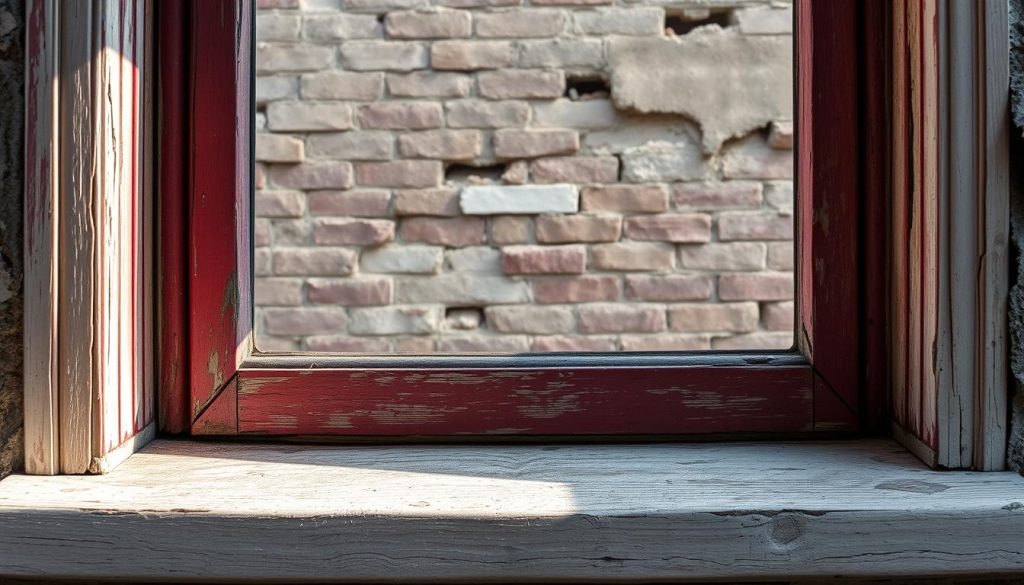
Quick checks you can do in minutes
Hold a lit candle near the seal and watch for a steady flicker: movement shows escaping air.
Run your hand along edges and the gasket to find hairline gaps. These let draughts and moisture in; they also reduce thermal performance.
Touch the inside pane on a cold day. If the glass is noticeably cold to the touch, heat is leaving through weak glazing or gaps.
Typical lifespan: double glazing lasts around 15–20 years
Most double glazing gives reliable service for about 15–20 years. Life depends on maintenance, exposure and frame material.
- Condensation or mist between panes usually means the seal has failed and insulating gas has escaped.
- Photograph faults and note rattles or sticking sashes—small changes over time show escalation.
- Prioritise living rooms and bedrooms for early replacement to gain comfort quickly.
Rising energy bills and cold-to-the-touch glass
If rooms feel warm but the glass feels icy, heat is slipping out where it is hard to notice. That chill at the pane is a direct clue: the heating works harder to replace lost warmth, so energy bills climb.
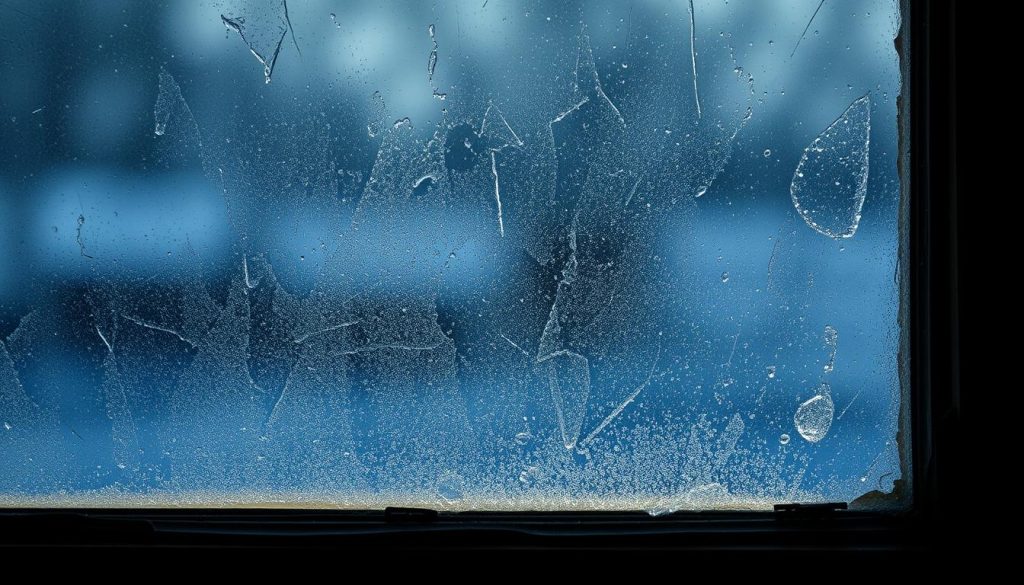
We link behaviour to spend: avoiding a seat by the casement is a behavioural cue that conduction losses are real. Check past bills like-for-like—if consumption rises without usage changes, glazing is a likely factor.
Low-E coatings reflect radiant warmth back indoors while still admitting visible light. Argon-filled double glazing slows convective currents between panes and keeps the interior glass noticeably warmer to the touch.
- Do a night-time draught audit: feel along meeting rails and sills for whistling air paths.
- If warm air pools at the ceiling near an elevation, leakage is forcing the boiler to overcompensate.
- Prioritise the leakiest elevations first to capture the biggest energy savings quickly.
Investment thinking: better thermal performance reduces heating demand and improves comfort. In short: cold glass plus rising costs often point to tired frames and glazing—and should prompt action sooner rather than later.
Windows that are hard to open, close or lock
A window that fights to open or refuses to close hints at deeper alignment faults.
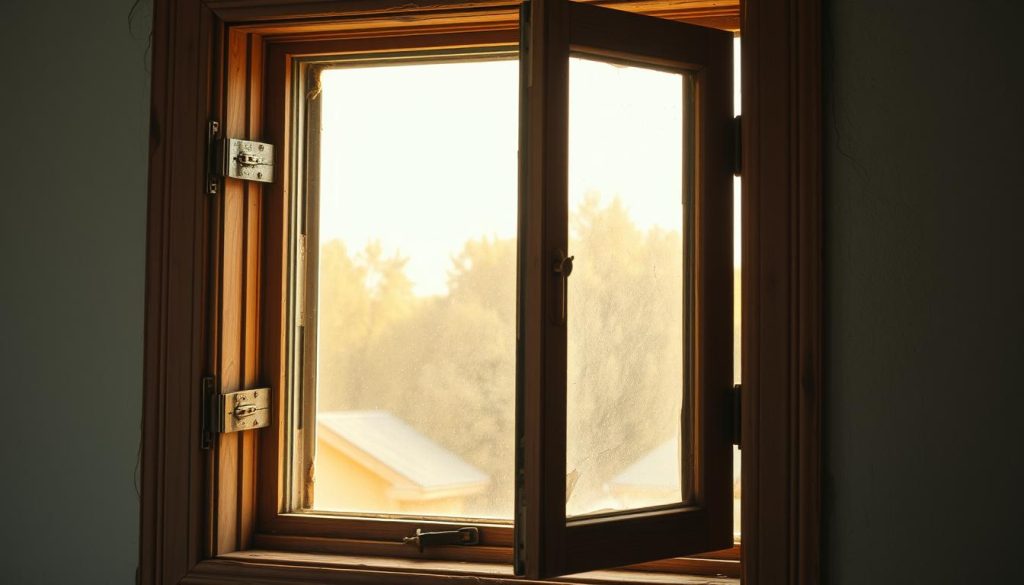
We treat operation as safety-critical: if a unit will not open close smoothly or lock reliably, egress and security are compromised.
Common culprits are simple. Paint can bridge a sash. Timber swells and distorts. uPVC expands on hot days and may not fully contract. Building movement can rack a frame out of square.
Our diagnosis is pragmatic. We check hardware wear, test locking points and keeps, and look for seasonal patterns of sticking. Poor installation—an undersized or oversized unit—adds stress to hinges and locks.
- Safety first: bedrooms and upper floors come first for reliable operation.
- Fix or replace: recurring faults often point to a structural mismatch best solved by replacement.
- Upgrade: modern multipoint locking smooths action and boosts security.
In short: reliable operation is a baseline. Good design and sound installation restore smooth function and peace of mind.
Your home isn’t soundproof enough for modern living
Traffic, neighbours and late-night deliveries can turn a quiet room into a permanent listening post.
We start with a simple test: if outside sound is obvious with the pane closed, the glazing or seals are underperforming. Modern windows pair laminated acoustic glass with wider cavity spacers to cut vibration across the unit.
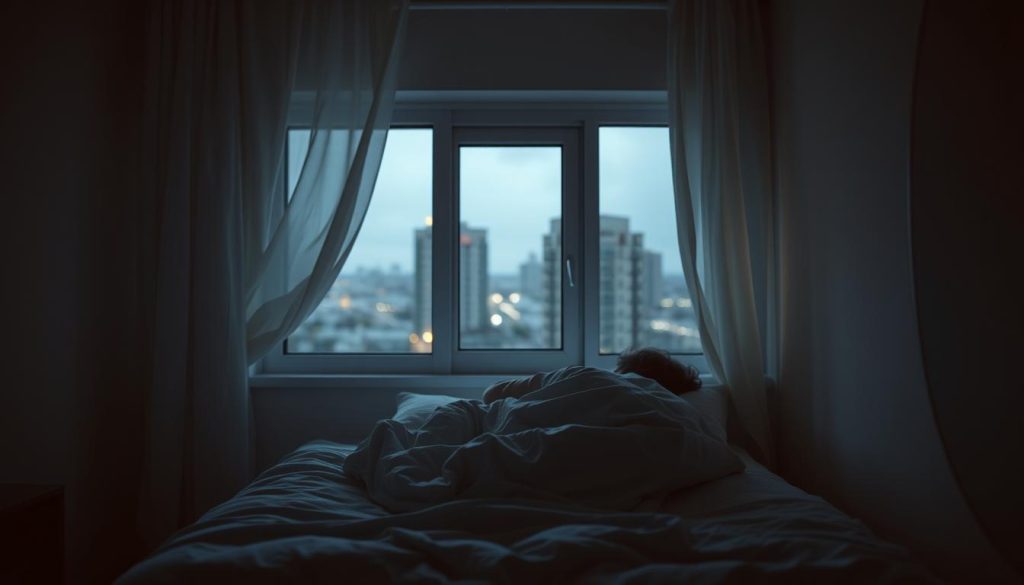
We assess the sound profile—low-frequency rumble or high-frequency chatter—and match the spec to dominant noise. Laminated glazing and better spacers reduce transfer. Detailing matters: poor perimeter seals or ill-fitting frames negate good glass.
“Thoughtful design choices deliver quieter rooms that still feel bright and open.”
Bedrooms benefit most from high-performance acoustic glazing. Living spaces often need a balance of daylight and calm. Trickle vents and their baffles can be acoustic weak points; we inspect and upgrade where needed.
| Issue | Typical fix | Benefit |
|---|---|---|
| Traffic rumble | Laminated acoustic glazing, larger air gap | Lower low-frequency transfer |
| High-frequency chatter | Thicker outer pane, varied pane thickness | Reduced intrusion of sharp noise |
| Poor perimeter seal | Replace gaskets, improve fit and sealant | Restores full acoustic performance |
- Range of replacement options: acoustic-only to combined acoustic + thermal upgrades.
- We measure before and after where possible—data confirms perceived calm.
Visible deterioration: rot, warping or discolouration of frames
Visible decay on frames often tells a longer story than a single cracked pane. Small flaws on the surface usually point to ongoing moisture or material fatigue. We treat those marks as diagnostic clues rather than cosmetic faults.
Timber issues: moisture, mould and decay
Wood exposed to persistent water will rot from the inside out. Flaking paint, soft patches and dark staining show moisture ingress.
- We probe sills and joints where water pools.
- Hidden decay often spreads beyond the obvious patch.
- Once structural timber fails, operation and safety suffer.
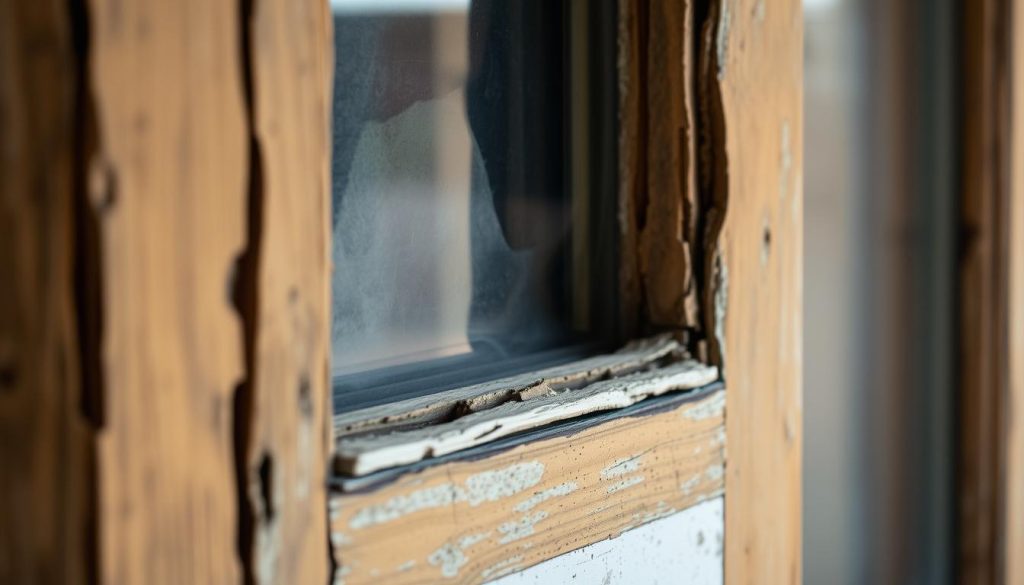
uPVC and aluminium: warping, expansion and poor-quality finishes
Poor-quality upvc can bow and discolour after repeated heating cycles. Gasket shrinkage misaligns sashes and locks.
Aluminium depends on its finish: compromised coatings invite corrosion, especially near coastal sites.
| Issue | What to look for | Typical outcome |
|---|---|---|
| Rot in timber | Soft spots, staining, sticking sashes | Local repair or full replacement |
| uPVC bowing | Warped profile, misaligned locks | Often replacement for consistent performance |
| Coating failure | Peeling or chalking on aluminium | Refinish or replace for long-term quality |
We weigh repair against replacement: where multiple failure points exist, whole-unit work restores function, thermal control and finish. Grouping similar frames reduces disruption and gives a consistent outcome.
Condensation, leaks and single glazing: the moisture and insulation red flags
A misty gap between panes is more than an annoyance; it is a thermal fault in plain view.
Excess condensation or fogging between layers indicates a failed edge seal and loss of insulating gas. Once gas escapes, the inner pane cools and draws moist air in. That cycle lowers thermal performance and raises heating demand.
Leaky frames and poor installation
Leaks usually trace to perished gaskets, blocked drainage or sloppy installation. We follow drips to their source and note staining or soft timber.
Why single pane units waste heat
Single glass conducts heat rapidly. Old single glazing leaves rooms colder in winter and hotter in summer, increasing energy use.
- Differentiate surface condensation from mist between panes — the latter is a red flag.
- Prioritise leak repair to avoid rot and mould while planning an upgrade.
- Where single units remain, we advise to replace windows with argon-filled, Low-E glazing for a clear step change.
“Misting, persistent damp or single panes are practical prompts for an upgrade.”
The benefits of replacement windows now: energy efficient glazing, comfort and kerb appeal
A thoughtful upgrade can cut heat loss, lower bills and brighten a room in one move. We focus on outcomes: quieter rooms, steadier temperatures and more natural light.
Energy efficient glazing – Low-E coatings and argon fill reduce conductive heat transfer. That means less demand on your boiler and lower energy spend.
Comfort and calm: acoustic interlayers reduce traffic noise while the glazing keeps interior surfaces warmer. The result is a more comfortable home with fewer draughts.
- Kerb appeal: considered design choices sharpen the look and boost resale value.
- Safety: toughened glass where required and modern locks improve protection.
- Maintenance: durable finishes cut upkeep and keep the home looking well cared for.
| Material | Typical cost (600×900mm) | Benefit |
|---|---|---|
| uPVC casement | £160–£660 | Cost-effective, low maintenance |
| Aluminium | £210–£860 | Thin profiles, modern look, strong |
| Timber casement | £240–£990 | Traditional feel, high-end finish |
We discuss costs openly and match specification to goals. Upper-floor work may need access planning. We optimise scope so the benefits—reduced heat loss, more light and a better look—fit the budget.
Conclusion
A single cold pane can quietly raise running costs across an entire home. That chill often links to failed seals, draughty frames or old single glazing—issues that push energy and heating bills up.
We weigh age and life of each unit. Homes with original timber or aluminium over 20 years often benefit from replacing windows rather than piecemeal repair. Materials matter: uPVC for low maintenance; wood for character but with care.
Good glazing—argon and Low-E or double glazing—keeps heat in and sound out. Proper installation and sealing fix moisture and stop future water damage to the window frame.
In short: plan replacements room by room, balance costs and look, and schedule replacing windows today so the home stays efficient and comfortable for years to come.